-Editorial
The California Fourth District Court of Appeal has heard oral arguments in an ongoing lawsuit challenging Imperial County’s approval of the Hell’s Kitchen Lithium & Power Project, a case that could shape the future of environmental review for lithium development in Imperial Valley’s emerging Lithium Valley.
The appeal, filed by Comité Cívico del Valle (CCV) and the environmental advocacy organization Earthworks, stems from Imperial County’s January 2024 approval of the project and certification of its Environmental Impact Report (EIR) under the California Environmental Quality Act (CEQA). The lawsuit names Imperial County as the respondent, while the project developer, Controlled Thermal Resources (CTR), is participating in the case as the real party in interest.
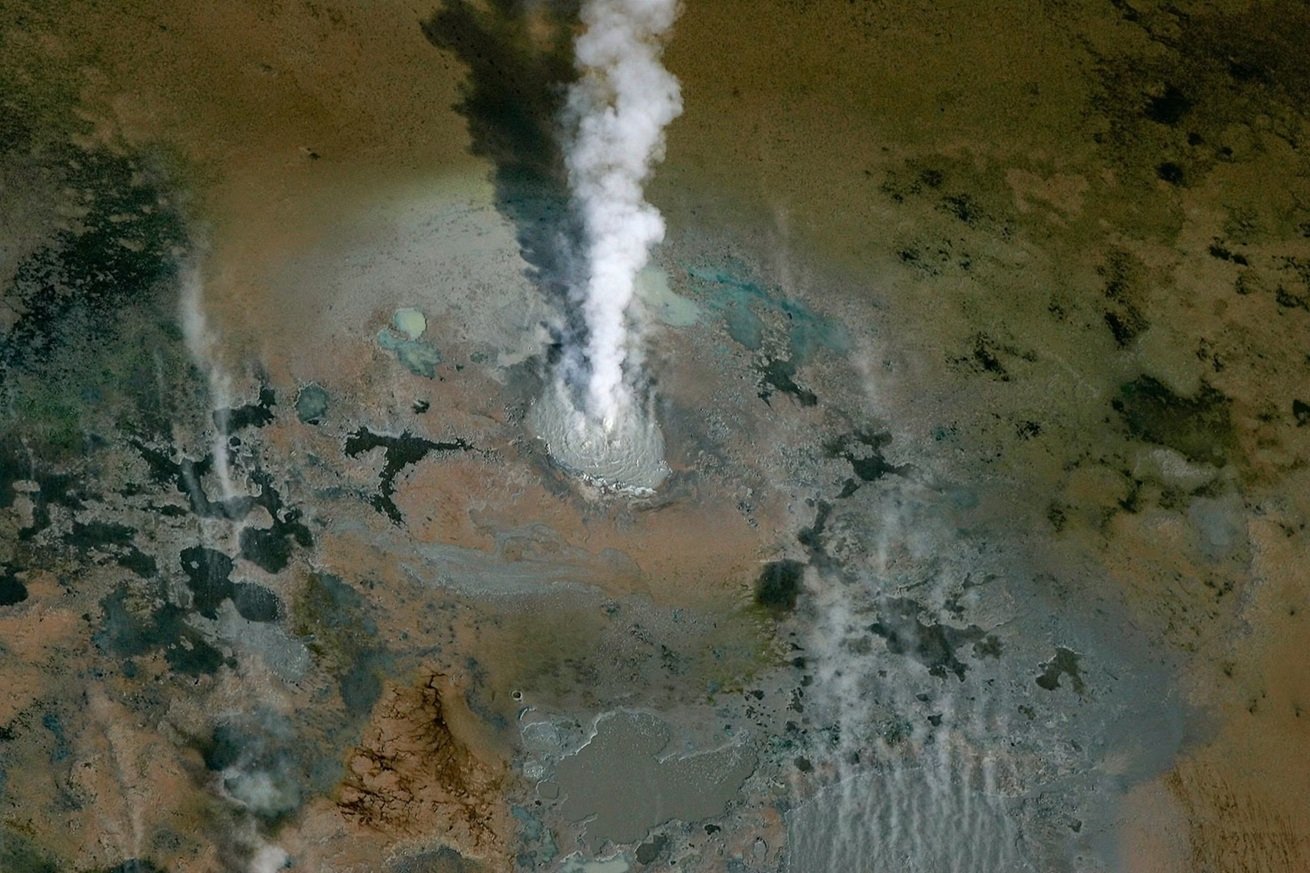
 The litigation comes as California seeks to expand domestic production of lithium, a critical mineral used in electric vehicle batteries, energy storage systems and other clean energy technologies. Imperial Valley’s geothermal resources beneath the Salton Sea have positioned the region at the center of the state’s Lithium Valley initiative, which aims to establish a domestic supply chain for battery materials while creating new jobs and economic development opportunities.
Comité Cívico del Valle and Earthworks have repeatedly stated they support the development of Lithium Valley and recognize its economic potential but contend that projects should undergo comprehensive environmental review before receiving final approval. The organizations argue that stronger environmental analysis and public participation are necessary to ensure development protects public health, natural resources and nearby communities.
The appeal asks the Court of Appeal to determine whether Imperial County’s Environmental Impact Report adequately complied with CEQA before approving the Hell’s Kitchen project.
According to court filings and statements by the plaintiffs, the appeal focuses on whether the environmental review sufficiently evaluated several issues, including the long-term availability of water resources throughout the project’s expected operating life, cumulative environmental impacts associated with future lithium development, potential effects on air quality, hazardous waste management, and impacts to tribal cultural resources.
The plaintiffs also argue that the county should have provided additional environmental analysis and mitigation measures before certifying the Environmental Impact Report.
Imperial County and Controlled Thermal Resources have maintained that the Environmental Impact Report satisfied CEQA requirements and that the project received extensive environmental review before being approved. In February 2025, an Imperial County Superior Court judge denied the petition filed by Comité Cívico del Valle and Earthworks, concluding that the county had complied with applicable provisions of CEQA when it approved the project.
Following that ruling, the organizations appealed to California’s Fourth District Court of Appeal.
During oral arguments before the appellate court, attorneys representing Comité Cívico del Valle and Earthworks argued that the case presents broader questions about how California should balance accelerated clean energy development with environmental oversight and public participation. They said comprehensive environmental review benefits communities, government agencies and project developers by improving transparency, reducing uncertainty and strengthening confidence in the permitting process.
In a statement issued after the hearing, Comité Cívico del Valle Executive Director Luis Olmedo said the organization supports lithium development but believes projects should be developed through a science-based planning process that includes meaningful community engagement.
“Imperial Valley stands at the forefront of America’s clean energy future and CCV supports Lithium Valley because it has the potential to create good jobs and strengthen our regional economy,” Olmedo said. “We are not opposed to lithium development. We simply believe it must be done responsibly.”
Earthworks Western Mining Senior Manager Jared Naimark said California has an opportunity to demonstrate that clean energy development and environmental accountability can advance together. He said communities, tribal governments, public agencies and project developers all benefit from environmental reviews that provide reliable information before major projects move forward.
The Court of Appeal did not issue a decision following oral arguments. Instead, the three-justice panel took the matter under submission and is expected to issue a written opinion after completing its review of the case.
The outcome of the appeal could have implications beyond the Hell’s Kitchen project. While the lawsuit directly concerns one Environmental Impact Report, the court’s decision may guide how CEQA applies to future lithium extraction projects proposed throughout Imperial Valley and the Salton Sea region.
Lithium Valley has become a major component of California’s strategy to expand domestic production of critical minerals needed for electric vehicles and renewable energy technologies. Several geothermal lithium extraction projects have been proposed in the region, with state and federal officials identifying the area as a key source of lithium for the nation’s clean energy transition.