-Editorial
Imperial Valley is heading into a wide-ranging and potentially competitive election cycle in 2026, with a full slate of local, state, and federal offices appearing on the ballot during both the June primary and the November general election. The cycle is shaping up to be one of the most consequential in recent years, reflecting shifting political dynamics, unresolved legal controversies, and growing voter attention to economic development, governance, and accountability.
At the county level, two seats on the Imperial County Board of Supervisors will be contested, drawing particular scrutiny given ongoing investigations, litigation, and policy disputes that directly affect residents’ daily lives.
 Supervisor Jesus Eduardo Escobar, who represents District 1, is eligible for reelection but remains under investigation related to allegations of sexual harassment made by the county’s former clerk of the board. While no formal decision has been announced regarding whether Escobar will seek another term, the outcome of the investigation and any related legal proceedings are expected to weigh heavily on the race. District 1, which includes parts of El Centro and surrounding communities, has historically seen competitive turnout, and the uncertainty surrounding Escobar’s political future may open the door to challengers positioning themselves around ethics, transparency, and public trust.
In District 5, Supervisor John Hawk, the current chairman of the Board of Supervisors, will also be up for reelection. Hawk was first elected four years ago after defeating longtime incumbent Raymond Castillo in both the primary and general elections, a result that signaled a shift in voter sentiment within the district. His tenure has coincided with several high-profile county decisions, placing his record firmly under the microscope as voters evaluate continuity versus change.
Several regional policy issues are expected to play a central role in both supervisor races. Among them are ongoing lawsuits involving the county, debates over a proposed large-scale data center, and unresolved environmental and regulatory disputes. The county remains involved in multiple legal cases, including lawsuits filed by Human Resources Director Rodolfo Aguayo and the former clerk of the board. Additionally, litigation involving Comité Cívico del Valle and Earthjustice—while initially decided in the county’s favor—remains under appeal.
That appeal has had tangible economic consequences. It has contributed to delays in a major lithium development project linked to the region’s much-publicized “Lithium Valley” initiative, which proponents say could generate jobs, infrastructure investment, and long-term revenue for the Imperial Valley. Critics, however, continue to raise concerns about environmental impacts, water usage, and regulatory oversight. These competing narratives are likely to surface repeatedly throughout the campaign season.
Beyond the Board of Supervisors, voters will also decide the future leadership of the Imperial Irrigation District (IID), one of the most powerful public agencies in the region. Multiple seats on the IID Board of Directors will be on the ballot, including those held by Directors Alex Cárdenas, Gina Dockstader, and Board Chair Karin Eugenio. The IID oversees water and power delivery for the valley, making its governance central to agriculture, energy policy, and cross-border environmental issues. As of now, no challengers have publicly declared campaigns, but filing deadlines remain months away, and contested races could still emerge.
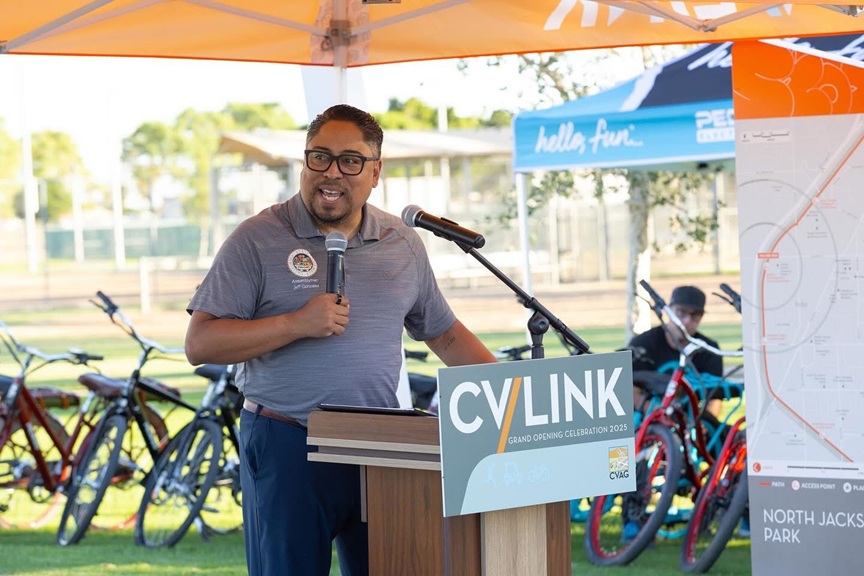
At the state level, Assemblyman Jeff Gonzalez will face his first reelection campaign. Gonzalez, a Republican, made history as the first member of his party to represent the district in more than a decade, capitalizing on voter frustration with the status quo. He is expected to face multiple Democratic challengers, including former El Centro City Council member Tomas Oliva, Imperial Mayor Ida Obeso-Martinez, and Indio City Council member Oscar Ortiz. Ortiz previously ran for Congress against Rep. Raul Ruiz before announcing plans to pursue the Assembly seat, adding name recognition and regional reach to an already competitive field.
The 2026 election cycle follows a period of notable political shifts in Imperial County. In the 2024 general election, Republicans made gains locally, including a Republican presidential victory in the county for the first time since 1988. Yet the same electorate later overwhelmingly supported Proposition 50, a redistricting-related measure backed by Gov. Gavin Newsom, despite opposition resolutions adopted by several local governments. The mixed results have raised questions about whether recent partisan trends represent a long-term realignment or a temporary reaction to specific candidates and issues.
Voters will also weigh in on statewide offices. The 2026 ballot will include the race for governor, as Gov. Gavin Newsom is term-limited and expected to leave office. Several candidates from both major parties have signaled interest, with Riverside County Sheriff Chad Bianco emerging as a prominent Republican contender. Statewide races often influence turnout in Imperial County, particularly among younger and Latino voters, who make up a significant share of the electorate.
In addition to headline races, numerous contests for city councils, school boards, and special districts across the Imperial Valley will appear on the November ballot. These down-ballot positions, while often receiving less attention, play a critical role in shaping local policy on education, public safety, housing, and infrastructure.
As the 2026 election cycle approaches, Imperial Valley stands at a crossroads. Economic opportunity, environmental stewardship, ethical governance, and political representation will all be tested at the ballot box. Ultimately, the outcome will depend not only on candidates and party labels, but on voter engagement and a collective willingness to examine the region’s challenges honestly. In a community long defined by resilience and complexity, the coming election offers voters a chance to reaffirm the kind of leadership—and future—they want for the valley.